Christmas Unicorns Clipart for Modern Illustrations
When a client approaches me with a request for seasonal branding that feels both whimsical and commercially viable, I immediately think about the balance between fantasy and professionalism. Recently, I was tasked with developing a visual identity for a boutique handmade candle line launching a limited-edition holiday collection. The brand is rooted in cozy, rustic aesthetics but wants to appeal to a younger demographic on social media platforms like Instagram and Pinterest. This is where Christmas Unicorns Clipart becomes more than just a cute image; it transforms into a strategic graphic design asset.
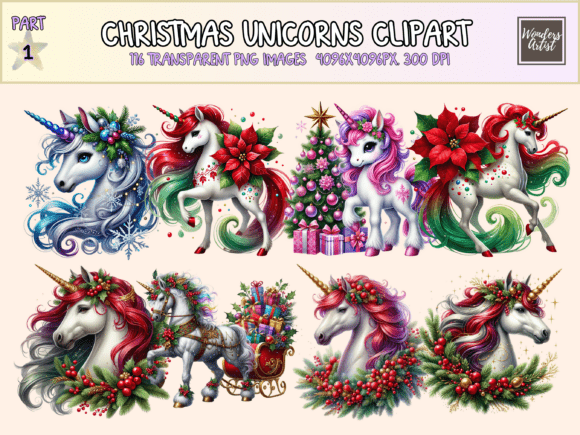
My first impression of this illustration set was its versatility. In an industry saturated with generic snowflakes and reindeer, these designs offer a distinct narrative. They evoke a sense of magic without tipping into the juvenile territory that often alienates adult consumers. For a small business branding project, this is crucial. The art style appears polished, with clean lines and a color palette that likely complements traditional holiday tones—reds, greens, golds, or perhaps softer pastels depending on the specific file variations. It signals modern design sensibilities while honoring festive traditions.
Strategic Application in Brand Identity and Packaging
In my workflow, I rarely use clipart as a standalone logo. Instead, I integrate it into broader brand identity systems. For the candle client mentioned earlier, I envision using these unicorn illustrations as decorative accents on product labels. When applied to glass jars or cardboard boxes, the artwork adds a tactile feel that encourages unboxing—a key moment in marketing visuals.
The asset performs exceptionally well in packaging design. Because unicorns are inherently detailed, they draw the eye. Placing them centrally on a tag or wrapping paper creates a focal point. However, designers must be mindful of scale. These illustrations work best when given breathing room. If you cram them into a tiny corner alongside dense typography, you lose the impact. I recommend using them as hero graphics on larger formats, such as posters, flyers, or the front cover of a catalog, where their intricate details can be appreciated.
Furthermore, this type of illustration supports cohesive themed collections. If the client plans to release multiple products (candles, soaps, bath bombs), consistent use of the unicorn motif across all items builds recognition. It turns a simple purchase into part of a curated experience. This consistency is vital for visual trust and long-term audience engagement.
Digital Content and Social Media Graphics
For digital-first brands, Christmas Unicorns Clipart is a powerhouse for social media graphics. In the fast-scrolling environment of Instagram or TikTok, whimsical imagery stops the thumb. I frequently advise clients to create a series of posts featuring different angles or compositions of these assets. They can be used in Canva templates for quick content creation, ensuring that even non-designers on the team can maintain brand consistency.
Pinterest is another critical channel. Pins featuring magical, festive themes tend to have high save rates. By pairing these illustrations with elegant typography, you create editorial design quality images that drive traffic to your shop. Whether you are promoting a printable design for wall art or advertising a physical product, the emotional appeal of a Christmas unicorn resonates deeply with audiences looking for joy and novelty during the holidays.
Crafting and Print-on-Demand Viability
If your business model involves print-on-demand or crafting, the technical specifications of the asset become paramount. Many users look for SVG design files for cutting machines like Cricut or Silhouette. Before purchasing or integrating this asset into your production pipeline, you must verify the file format. An SVG allows for infinite scalability and easy color manipulation, which is essential if you need to match specific brand hex codes for t-shirt design or sticker design projects.
For those working with sublimation, ensure the resolution is high enough to prevent pixelation on fabric. A low-resolution PNG will look muddy on a tote bag or mug. I always test my design assets by placing them on real mockups before finalizing any client deliverables. This step reveals how the colors interact with different materials and whether the white background of a PNG needs to be removed for transparent overlay effects.
This clipart is also excellent for Etsy product listings. Digital sellers can bundle these images into printable bundles, offering customers instant access to holiday decorations. The demand for commercial design assets that are ready-to-use is high, provided they are unique enough to stand out in crowded marketplaces.
Technical Considerations and Quality Control
As a professional, I never skip the due diligence phase. Here are the practical checks I perform before approving any creative design element for a client:
- Contrast Testing: Place the illustration on both light and dark backgrounds. Does it remain legible? Does it clash with the background color?
- Black and White Preview: Convert the asset to grayscale. This helps assess the strength of the shapes and lines independent of color. If the design falls apart in monochrome, it may lack structural integrity.
- Typography Pairing: Test the clipart with various font styles. A script font might enhance the magical feel, while a sans serif font could ground it for a more modern look. Avoid handwritten fonts that compete too aggressively with the intricate details of the unicorn.
- Licensing Verification: Always confirm the commercial license. Some design assets are free for personal use only. Using them for a client project without proper rights can lead to legal issues and financial penalties.
- File Inspection: Check for transparency in PNGs. Ensure that vector files are properly grouped and editable. Look for stray points or unnecessary anchor nodes that could complicate future edits.
Where Caution is Required
While versatile, Christmas Unicorns Clipart is not suitable for every context. It should be used carefully in minimalist branding or corporate environments where a serious tone is required. The whimsical nature of unicorns can undermine the authority needed in professional corporate materials or legal documents.
Additionally, avoid using these assets in crowded layouts. If your design already has complex patterns, heavy textures, or dense text blocks, adding a detailed unicorn illustration will create visual noise. In such cases, simpler geometric shapes or solid icons would serve better for maintaining a clear visual hierarchy. The goal is to guide the viewer’s eye, not distract them.
Final Verdict for Design Professionals
Ultimately, Christmas Unicorns Clipart is a valuable addition to a designer’s toolkit for specific niches. It shines in handmade business branding, children’s products, festive marketing campaigns, and creative marketplace goods. Its ability to evoke emotion and curiosity makes it a strong tool for audience engagement.
However, success lies in execution. Treat it as one component of a holistic design strategy. Combine it with thoughtful typography, appropriate spacing, and consistent color theory. By doing so, you elevate a simple clipart image into a polished, professional digital product that delivers value to your client and delight to their customers. Whether you are designing for web, print, or merchandise, this asset offers a blend of charm and commercial potential that, when handled with expertise, can significantly enhance the overall impression of your project.