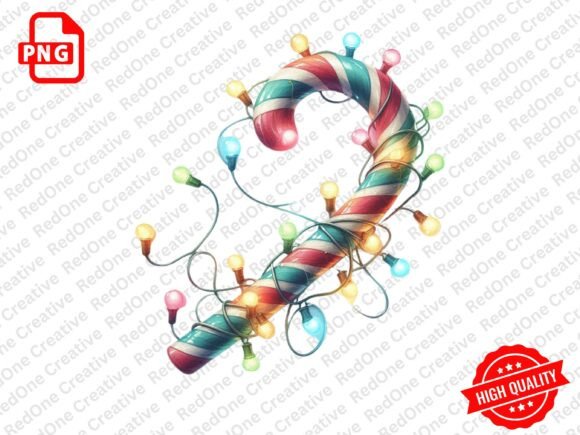
Real-World Review: New Christmas Lights Sublimation Clipart
As a designer who spends half my day staring at stitch grids and the other half worrying about thread tension, I don’t just look at an image file; I look for potential problems before they happen on the hoop. When I first pulled up New Christmas Lights Sublimation Clipart, my immediate reaction was less about the festive theme and more about how those delicate curves would translate into physical thread. We all love the aesthetic of glowing holiday lights, but in embroidery, light is simulated through color choice and negative space, not actual illumination. This review breaks down whether this specific illustration holds up under the needle or if it’s better left as a digital print.
First Impressions and Visual Personality
The moment you open the file, the mood is instantly set. It carries that warm, nostalgic energy of a winter evening, which is exactly what buyers are looking for during the holiday season. The layout feels balanced, avoiding the cluttered look that often plagues cheap clipart. For an Illustrations category asset, it strikes a good balance between decorative flair and structural clarity. It doesn’t scream for attention with chaotic patterns; instead, it offers a clean, inviting visual that suggests quality.
From a design perspective, the shapes are distinct. The individual bulbs and the connecting wire have enough definition to be recognizable even when reduced in scale. This is crucial because embroidery files often require simplification to remove unnecessary noise. If the original vector or raster source is too busy, the digitizer has to make hard choices about what to keep and what to cut. In this case, the core elements—the string of lights—remain strong, making it a versatile choice for various applications.
Project Scenarios: Where Does It Shine?
I like to test designs by imagining them on real products. Let’s talk about a custom embroidered tote bag. This is a staple for any Etsy seller or small shop product line during Q4. Placing New Christmas Lights Sublimation Clipart across the front panel creates an instant holiday vibe. Because the design likely features a linear or arched composition, it fits naturally along the top edge or centered on the canvas. It adds value to a plain tote without overwhelming it, making it a perfect personalized gift option for customers who want something seasonal but not overly cheesy.
Another strong candidate is the sweatshirt. Holiday sweaters are having a moment, but there is a fine line between "cute" and "tacky." This clipart leans toward the cute side. Used as a chest-sized accent on a crewneck sweatshirt, it elevates the garment. It works particularly well for custom apparel where the client wants a subtle nod to the season rather than a full-frontal graphic. Think of it as a boutique branding element that signals "holiday ready" without being loud.
For the nursery decor market, this design translates beautifully to baby clothes and blankets. Soft pastels combined with the classic light bulb shape create a gentle, dreamy atmosphere. Parents love embroidery for baby items because it is durable and safe (no loose plastic pieces). A small cluster of these lights stitched onto a muslin blanket or a onesie cuff adds a touch of professional polish that mass-produced prints can’t match.
Technical Considerations and Stitching Challenges
This is where the rubber meets the road. Not every digital design survives the transition to fabric. With New Christmas Lights Sublimation Clipart, we need to discuss stitch density and detail retention. If the digitization process uses too much fill stitch for the bulb areas, the fabric might pucker, especially on lightweight materials. Conversely, if the details are too sparse, the lights might look like vague blobs from a distance.
Here is where you must be careful. Avoid using this design on textured fabrics like heavy bouclé wool or thick terry cloth unless you have a very stable setup. The texture will interfere with the satin stitches that typically outline the bulbs, leading to a muddy finish. Similarly, thin fabrics like silk or sheer chiffon require a high-quality tear-away or water-soluble stabilizer to prevent the weight of the thread from distorting the material.
Dark fabric presents another challenge. Embroidery relies on contrast. If you are stitching white or yellow lights onto a black background, you need a high thread count to ensure opacity. Single-ply thread might show gaps, making the lights look dim. I always recommend testing thread colors on scrap fabric first. A metallic gold or silver thread can add a realistic "glow" effect, but it requires a different tension setting and may shred faster than standard polyester threads.
Where to Use It Carefully
- Small Hoop Sizes: If the design is scaled down too much, the tiny connections between bulbs may become indistinguishable. Keep the minimum size large enough to maintain integrity.
- Curved Surfaces: While caps and hats are popular, the flat nature of many clipart designs might not wrap perfectly around a curved brim without significant digitizing adjustments.
- Dense Stitch Areas: Avoid placing this design over existing seams or thick layers of fabric, as the added bulk could cause needle breakage or uneven feeding.
- Frequent Washing: For items like aprons or kitchen towels that see heavy use, ensure the design is anchored well. Loose ends can snag during washing cycles.
Impact on Product Value and Brand Trust
Using a high-quality machine embroidery design directly impacts how your customer perceives your brand. There is a noticeable difference between a screen-printed holiday shirt and one that features genuine embroidered patch aesthetics. The latter implies care, durability, and attention to detail. When a buyer sees the texture and depth of New Christmas Lights Sublimation Clipart executed well, it builds trust. They associate the quality of the stitch with the quality of your entire business.
Furthermore, this design enhances handmade presentation. In the age of digital marketing, your printable mockup needs to look authentic. Showing the texture of the thread and the slight shadow cast by the embroidery helps potential buyers visualize the finished product. It reduces returns and increases conversion rates because the expectation matches reality.
Practical Designer Notes Before You Start
Before you commit to a full production run, follow these steps to ensure success:
- Test on Scrap Fabric: Always run a test stitch on the exact fabric you plan to use. Check for puckering, thread breaks, and color accuracy.
- Check Stitch Density: Ensure the digitized file isn’t too dense for the fabric weight. Adjust the underlay if necessary.
- Review Small Details: Zoom in on the digital file. Are the tiny connectors between lights clear? Will they survive the trimming process?
- Black and White Mockup: View the design in grayscale to check contrast. If it looks muddy in black and white, it will likely look dull in color.
- Confirm Licensing: As a commercial embroidery professional, verify that you have the right to sell finished items made from this digital embroidery file. Some clipart licenses restrict commercial use or limit the number of units sold.
- Use Proper Stabilizer: Match your stabilizer to your fabric. Heavy stabilizers for knits, light stabilizers for wovens.
In conclusion, New Christmas Lights Sublimation Clipart is a solid addition to any designer’s library for the holiday season. It offers versatility, emotional appeal, and a clean aesthetic that works across multiple product categories. By paying attention to the technical details—fabric choice, thread selection, and stabilization—you can transform this simple illustration into a premium finished product that customers will cherish. Whether you are a seasoned craft business owner or a hobbyist looking to make unique gifts, this design provides a reliable foundation for creating memorable holiday merchandise.